
Preparing Couscous with Seasonal Vegetables and Chickpeas
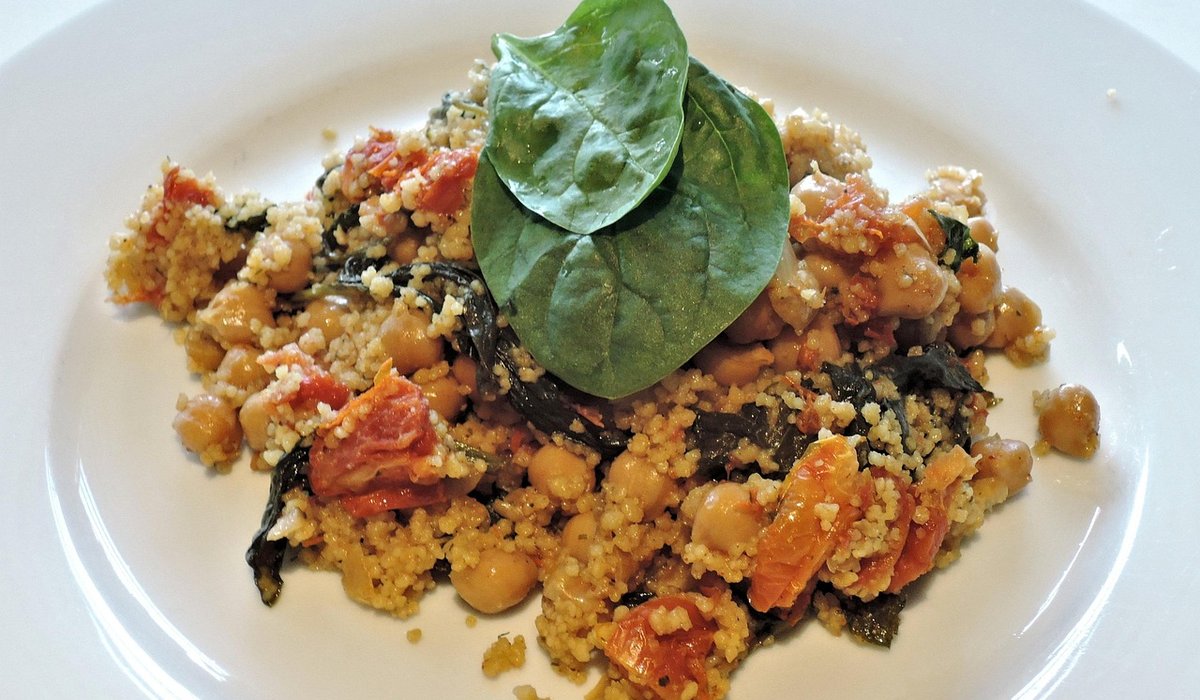
Couscous Is a Friday Ritual, Not a Side Dish
In Tunisian homes, couscous — kosksi — is not a fluffy mound pushed to the edge of the plate. It is the meal itself, and it arrives on one large shared dish. Friday lunch is the classic occasion: the family sits around the table, the grains are spread wide, and the vegetables, chickpeas and broth are ladled over the top. Everyone eats from their own quarter, and the dish empties fast.
That single-vessel method is what makes it so useful for a British kitchen. You need a wide pan, a colander or a couscoussier if you have one, and a couple of hours at home. The reward is grains that stay separate and light, soaking up a broth that tastes of whatever the season is doing, plus a spice shelf that leans on coriander, caraway and chilli rather than the sweet-savoury notes many of us associate with Moroccan cooking.
Start with the Seasonal Basket
Tunisian cooks build the dish around what the market gives them, which is exactly how it should be here. Root vegetables need a head start; tender ones go in late so they keep their shape.
- Winter: carrots, turnips, a wedge of pumpkin or squash, cabbage, fennel, leeks.
- Spring: broad beans, artichoke hearts, garden peas, new carrots, spinach.
- Summer: courgettes, green beans, peppers, tomatoes, aubergine.
- Autumn: squash, parsnip, sweet potato, chard and the last of the peppers.
Two habit-forming touches. First, blister a pepper over a flame or under the grill and add it whole to the broth; it collapses into sweetness and gives the sauce a smoky edge. Second, cut everything into generous, even pieces — roughly 4cm — so nothing turns to mush while the chickpeas finish cooking.
Chickpeas, Broth and the Tunisian Spice Shelf
Dried chickpeas soaked overnight are worth the planning. Cover 150g with cold water, add a pinch of bicarbonate of soda, and leave for twelve hours. Drain them and add to the pot once the base is ready; they will take around an hour and a half to soften in the broth, and they season it at the same time. A tin of chickpeas, drained and added for the last fifteen minutes, is a perfectly decent shortcut on a weeknight.
The base — the marqa — starts with a good glug of olive oil, a chopped onion softened until translucent, and three or four cloves of garlic. Stir in a tablespoon of tomato purée and let it darken for a minute before adding your spices: two teaspoons of tabil if you have it (a blend of ground coriander, caraway, garlic and chilli), a teaspoon of sweet paprika, half a teaspoon of turmeric, and a spoonful of harissa to taste. Cook the spices briefly, then add a litre of water or light stock. Season now, then taste again at the end.
Steaming Couscous Until It Sings
This is the part that separates claggy grains from light ones. For 500g of medium couscous, sprinkle over 250–300ml of well-salted water, a little at a time, rubbing the grains between your palms as you go. Leave for ten minutes, then rub again until there are no lumps, and work in two tablespoons of olive oil.
Set the couscous in a colander lined with muslin, or in the top of a couscoussier, over the simmering broth. Seal the join between the top and bottom with a damp cloth or foil so the steam has to pass through the grain rather than escape. Steam for fifteen to twenty minutes, then tip the couscous onto a wide tray or roasting tin, break up any clumps with a fork, sprinkle with another 100–150ml of water, and leave to cool for ten minutes.
Steam it twice more if you have the patience; twice is the practical minimum, three times gives you the airy, separate grains that hold sauce without turning to porridge. Finish with a knob of butter or a final spoonful of olive oil, forked through. Never let the grains sit wet — they steam, they do not boil.
Layering the Pot and Bringing It to the Table
Once the chickpeas and root vegetables are tender, add the softer vegetables and cook until just done. Taste the broth and correct it: salt, a little more harissa, a squeeze of lemon. Keep a mugful back.
Mound the couscous on a large platter or wide bowl. Ladle the broth over first, then arrange the vegetables and chickpeas on top, keeping the layers generous and slightly uneven. Serve with a small bowl of harissa loosened with hot broth for those who want heat, and a jug of leben — buttermilk, or plain yoghurt thinned with a little water — to cool things down. A few pickles on the side, and bread for the last of the sauce.
Small Touches That Make It Your Own
- Swap the vegetable-only pot for lamb shoulder or chicken thighs, browned first and simmered in the broth; for fish, poach fillets separately in a ladleful of broth and lay them on at the end.
- Use rose harissa for a milder, more floral heat, or dried chilli flakes if you want something sharper.
- Finish with chopped flat-leaf parsley and coriander, stirred through the vegetables just before serving.
- Add a spoonful of Tunisian-style turnip pickle — turnips, vinegar and a slice of beetroot for colour — to cut the richness.
Give it two unhurried hours and the grains will stay loose for hours afterwards, which is exactly why this dish works so well for a crowd. Any leftovers fry beautifully the next day with a little oil and an egg.


Slow-cooked lamb becomes tender with apricots, almonds and aromatic spices. This tagine suits a weekend gathering or a quiet supper.
A bright salad of tuna, olives, eggs and peppers brings Tunisian flavours to the table. Serve it with crusty bread for a light lunch.
Tunisian street food often combines tuna, harissa, olives and eggs in a crusty roll. Try these filling ideas for a quick homemade version.
These delicate almond pastries are scented with orange blossom and soaked in honey. They are perfect with mint tea or coffee.