
Cooking Lamb Tagine with Apricots and Almonds
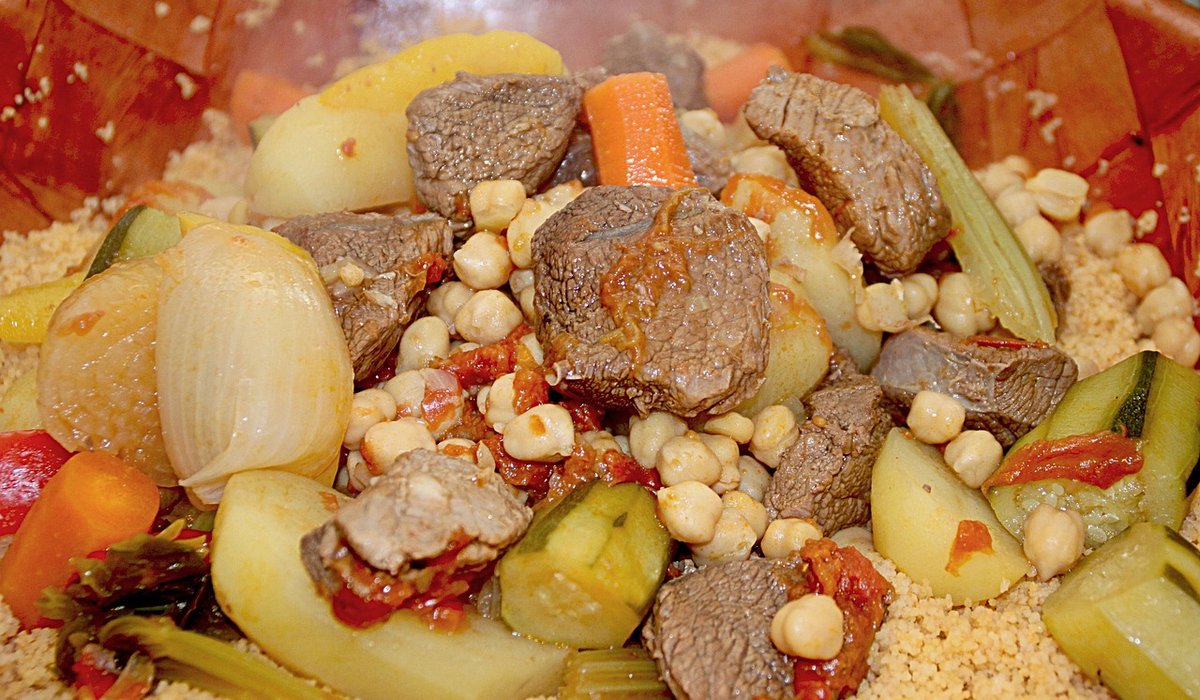
A Dish Built for Slow Afternoons
The tagine is less a recipe than a way of cooking. In Tunisia, Morocco and Algeria, the conical earthenware pot sits over the faintest flame for hours, trapping steam and letting spice, fruit and meat slowly exchange their flavours. Lamb with apricots and almonds is the sweeter end of that tradition, and it is one of the most forgiving things you can put on a table.
A small clarification for anyone who has eaten in Tunis: the Tunisian tagine is often a baked omelette-style dish, quite different from the slow-cooked stew the word suggests elsewhere. Both belong to the same North African kitchen, where the line between savoury and sweet is drawn lightly. Dried fruit, nuts, honey and warm spice turn up in meat dishes constantly, and lamb is the natural partner for all of it.
The Spices That Do the Work
North African cooking layers spice rather than dumping it in. You want warmth and fragrance, not heat; the chilli comes later, at the table, in a spoonful of harissa.
- Ras el hanout – 2 tsp. Blends vary wildly, so buy from a shop you trust or mix your own. It usually brings cumin, coriander, cinnamon, cardamom and a little rose or lavender.
- Ground ginger – 1 tsp. Essential, and often overlooked.
- Cinnamon – 1 stick, plus ½ tsp ground. The stick goes in with the liquid and comes out at the end.
- Sweet paprika – 1 tsp, for colour and a gentle fruitiness.
- Turmeric – ½ tsp. Mostly for the golden look.
- Saffron – a good pinch, steeped in a little warm water for ten minutes.
- Black pepper – plenty. Salt comes later, in stages.
Bloom the ground spices in oil after the onions have softened. Thirty seconds is enough; if they smell sharp or catch on the pan, you have gone too far and should start again with fresh oil.
Choosing Your Lamb and Your Pot
Shoulder is the right cut. It carries enough fat and connective tissue to collapse into something spoonable, and it takes kindly to two and a half hours of gentle heat. Buy it on the bone if you can and ask the butcher to cut it into 4–5cm chunks; bone gives body to the sauce. Neck fillet works well too, though it needs a little longer. Leg is leaner and will turn dry if you push it, so save that for a quicker braise.
For the pot, a heavy enamelled casserole with a tight-fitting lid is ideal. A clay tagine is lovely on the table and cooks beautifully, but it needs a heat diffuser and a low flame, and most cannot go in the oven. Either way, the lid must sit close. If yours is loose, a sheet of baking parchment under it will help.
Sweet, Sour and Savoury in Balance
This is where the dish either sings or turns cloying. Dried apricots are sweet, so they need something to push against them.
- Apricots – 200g of soft dried ones. If yours are leathery, soak them in warm water for twenty minutes. Add them for the last thirty minutes only, so they plump without dissolving.
- Preserved lemon – a quarter, finely chopped, added near the end. This is the sour note that keeps everything in check. If you have none, a strip of orange peel with the pith removed will do.
- Honey – 1 tbsp, no more, and taste before adding.
- Almonds – 75g of blanched almonds, fried gently in a little oil until pale gold. Scatter them over at the moment of serving so they stay crisp.
- Fresh herbs – a handful each of coriander and flat-leaf parsley, chopped, stirred through at the end.
The Method, Step by Step
- Pat 1.2kg of lamb dry and season it. Brown it in batches in a little oil over a high heat. Crowding the pan steams the meat, so give it room.
- Lower the heat. Soften two sliced onions in the same pot for ten minutes, then add three crushed garlic cloves, a thumb of grated ginger, and all the ground spices. Stir for thirty seconds.
- Add 2 tbsp tomato purée and cook it out for a minute, then return the lamb with the cinnamon stick, the saffron water and enough stock or water to come two-thirds up the meat. Bring to a bare simmer.
- Cover and cook at 160°C fan (180°C conventional, gas mark 4) for two hours, or on the lowest hob setting, until the lamb gives way under a spoon.
- Add the apricots and preserved lemon. Cook uncovered for another thirty minutes so the sauce thickens.
- Skim any fat, taste, and adjust with salt, honey or a squeeze of lemon. Fish out the cinnamon stick.
Serving It, and What to Do With Leftovers
Couscous is the traditional partner; steam it properly and fluff it with a fork and a knob of butter. Good flatbread, or a plain buttered orzo, works just as well. Put harissa, a bowl of thick yoghurt and a sharp salad of cucumber, tomato and mint on the table and let people help themselves.
Tagine is famously better the next day, once the spices have settled. Reheat it gently with a splash of water. Shredded leftovers make a fine filling for filo or brik pastry, and a small bowlful folded through scrambled eggs is a very good breakfast indeed.


Tunisian street food often combines tuna, harissa, olives and eggs in a crusty roll. Try these filling ideas for a quick homemade version.
These delicate almond pastries are scented with orange blossom and soaked in honey. They are perfect with mint tea or coffee.
Orange blossom water adds a floral note to cakes, biscuits and syrups. Learn how much to use without overwhelming your bakes.
Mint appears in salads, teas and stuffings across Tunisia. This piece explores its cooling role and how to pair it with savoury dishes.