
A Practical Guide to Tunisian Market Ingredients
Reading the Market Like a Local
Tunisian home cooking begins in the market. Whether you are in a covered souk in Tunis, a weekly street market, or a village square where the same farmers have sold produce for decades, the rhythm is the same: arrive early, taste before you commit, and buy what looks best rather than what the recipe demands. Cooks here are pragmatic. A dish is built around what is ripe, cheap and plentiful that week.
Prices are usually quoted per kilo, and gentle haggling is expected. Stallholders will let you taste an olive, a spoonful of harissa or a piece of cheese. Bring cash, a sturdy bag and small containers for oil and pastes. Shopping in the UK, the principles hold: find a North African or Middle Eastern grocer, buy in season, and treat any ingredient list as a starting point.
Olive Oil and Olives: The Everyday Foundation
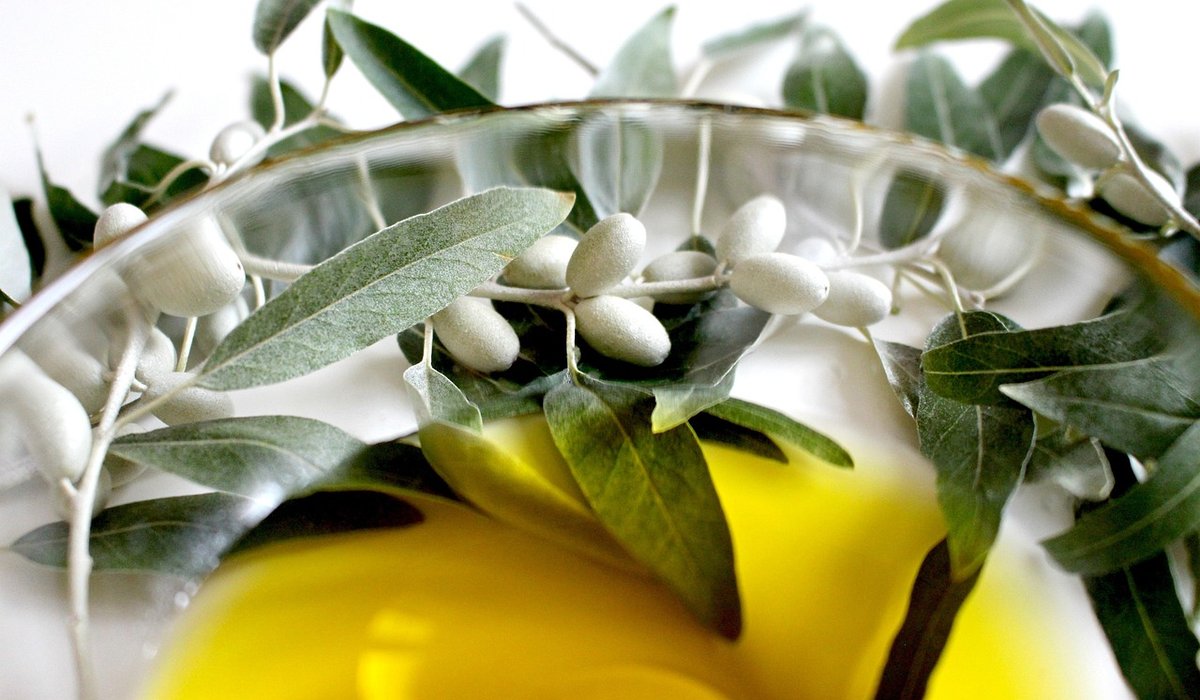
Tunisia is one of the world's great olive-producing countries, and its oil is greener, more peppery and more robust than the delicate oils of southern Italy. In markets it is sold from tins and unlabelled bottles, so taste before you buy: good oil smells of cut grass or green tomato and catches at the back of the throat.
- Chemlali — the workhorse of the centre and south. Peppery and affordable, ideal for frying, for making harissa and for spooning over couscous.
- Chetoui — from the north. Softer, fruitier and more aromatic; best used raw, drizzled over salads, grilled fish or bread.
- Meski — large, mild green table olives, often cracked and marinated with lemon, garlic and chilli.
Loose olives come brine-cured green, dry-cured black, or crushed and stained with harissa as olives piquantes. Rinse brined olives briefly, dress them with olive oil, lemon zest, garlic and a little caraway, and keep them in the fridge under a layer of oil.
Spices, Pastes and Blends
Tunisian spicing is distinctive but not complicated; a handful of blends do most of the work.
- Harissa — the cornerstone. Red chillies pounded with garlic, caraway, coriander and salt. Quality varies enormously, so taste before buying: a good harissa smells of chilli and caraway rather than raw heat alone.
- Tabil — ground coriander, caraway, garlic and chilli. The dry rub and stew blend, used for lamb, fish, chickpeas and vegetables.
- Qalat daqqa — a fragrant finishing blend of rosebuds, cinnamon, black pepper, cloves, nutmeg and lavender. Use sparingly over couscous or grilled meat.
- Whole spices — caraway, coriander seed, cumin, black pepper and dried rosebuds. Buy whole where you can, toast lightly in a dry pan and grind in small batches.
Orange blossom water, rose water and dried mint sit on the same shelves, used in both savoury and sweet cooking. Buy small bottles and use them within a year.
Fresh Herbs, Aromatics and Alliums
Markets sell herbs in fat, cheap bunches, and cooks use them with a generosity that surprises newcomers. Flat-leaf parsley and coriander are the everyday pair, chopped by the handful into salads, stews and stuffings. Mint is spearmint: fresh in salads and with tea, dried for meatballs and vegetable dishes. Celery leaf, dill and wild greens appear in spring.
Garlic is used in quantity, often pounded to a paste with salt and caraway, and onions or spring onions form the base of most stews. Dried mint is not a lesser version of fresh; it is a different ingredient, deeper and almost tea-like.
Seasonal Produce: A Rough Calendar
- Spring — broad beans, artichokes, peas, fresh garlic, wild greens.
- Summer — tomatoes, peppers, aubergines, courgettes, chillies, figs, melons. This is the season for slata mechouia, the grilled pepper and tomato salad, and for chakchouka.
- Autumn — pumpkins, quince, pomegranates, grapes, and long peppers strung up to dry for winter harissa.
- Winter — citrus, cabbage, turnips, dried figs, dates, and the preserved stores built up earlier in the year.
The calendar shapes the cooking. When tomatoes peak, families buy crates and make concentrate for the year; when peppers are abundant, they are grilled, dried and strung. That is the most useful lesson from the souk: buy boxes at their best, roast or dry them, and eat well in February.
Pantry Staples, Storage and Substitutions
Keep a small pantry alongside the fresh produce: hand-rolled couscous, dried chickpeas and haricot beans, lentils, tinned tuna in olive oil, capers, dried mint and good olives. These are the ingredients behind ojja, the tomato and egg dish eaten for breakfast or supper, and behind the quick weekday couscous that anchors many family tables.
Storage matters as much as shopping. Decant olive oil into a dark bottle, away from heat. Keep harissa covered with oil in the fridge. Store whole spices in airtight jars out of sunlight and grind as needed.
If an ingredient proves elusive, substitute sensibly: lemon zest and a pinch of salt for preserved lemon, a good jarred harissa loosened with olive oil, a pinch of cinnamon, clove and rose water in place of qalat daqqa. Taste as you go and let the market lead.


Mint tea with pine nuts is a symbol of welcome. Discover how to pour, serve and pair it with sweets for guests.
Harissa is a fiery North African chilli paste. Learn how to toast spices, blend peppers and adjust heat for your own kitchen.
Discover the warm, aromatic blends that define Tunisian cooking. This guide explains common spices and how to balance them at home.
Use seasonal vegetables, chickpeas and a steamy couscous to create a satisfying family meal. The method keeps grains light and fluffy.